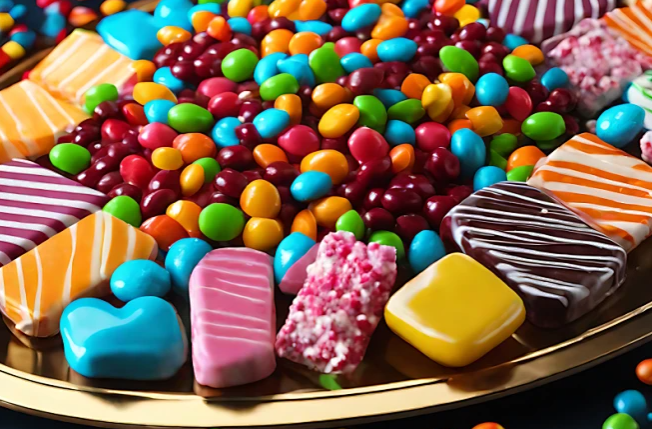
Candy making is a highly skilled craft that requires accurate temperature monitoring to do correctly. Whether you are making candy brittle, fudge, or caramels, the key to getting the texture and taste exactly right is only possible with the right temperature. To help us achieve this, we can use a candy temperature chart that tells you what happens to sugar at different heat levels, turning it into the sweet delights we all love.
Getting the right temperature with a candy thermometer guarantees high-quality texture and perfect results. Without one, you’ll likely to face a texture problem that makes candy taste grainy, or the sweets won’t set properly.
In the following blog, we will explore the whole topic, from learning how to make candy to making sure that your candy is tempered properly. We will further elaborate on why candy temperature is important and why it is necessary to measure it.
Here, you’ll learn why a candy thermometer is so important, and what types of candy thermometers are available. For example, the Lonnmeter LDT-1800 Candy Thermometer, a product featuring the newest technology, is one such device that features pinpoint accuracy and quick responses. We will explore its fundamental features and its necessary role in making candy. The other cool gadgets we looked at include tools for measuring candy temperature.
Why Does Candy Temperature Matter?
The temperature of candy during the cooking process is one of the most crucial factors in determining its quality. This is because it plays the most direct role in shaping the product’s texture and final result. If the temperature is maintained properly, boiling syrup can be converted into various types of candy such as ball, thread, or caramel candy.
With the help of a candy thermometer and a candy temperature guide, you can create many types of candy properly. These tools can keep you on track as you perform other important tasks such as setting the sugar concentration and measuring the amount of sugar to be used.
Standard candy treatment methods involve heating the mixture to the required temperature. A candy thermometer chart indicates the stage at which the candy mixture is to be treated. For this reason, measuring candy temperature properly is vital in the difference between success and failure.
Essential Tool for Measuring Candy Temperature
The Lonnmeter LDT-1800 Candy Thermometer is an essential tool for candy enthusiasts. By using it to cook sugar at different temperatures, this device can make different types of candy such as caramel or syrup.
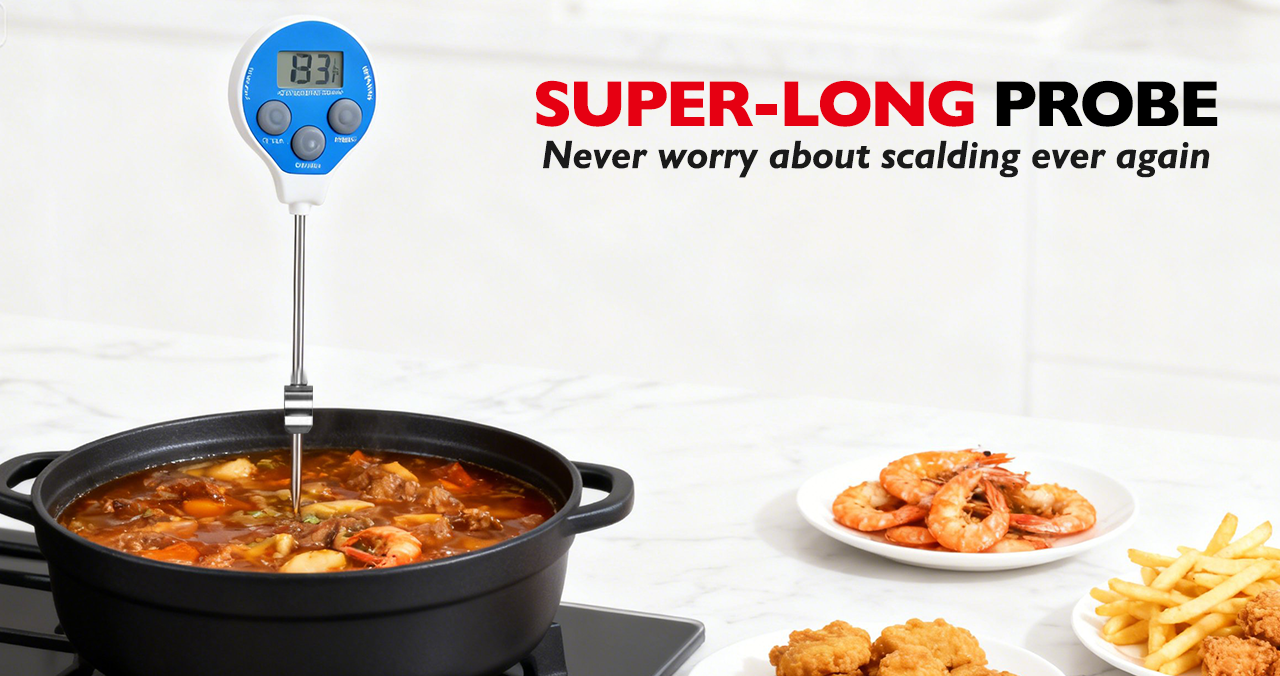
The TP511 features an advanced 8-inch probe that ensures precise measurements with an accuracy of ±0.5℃. As well, it has a programmable preset and alarm function that prevents overcooking, ensuring your candy is cooked to the correct stage. The pot clip helps keep the thermometer steady so you will not get accidentally burnt by splattering hot oil. Versatile and practical, this candy thermometer can also be used to measure other ingredients during the cooking process such as meats and other proteins.
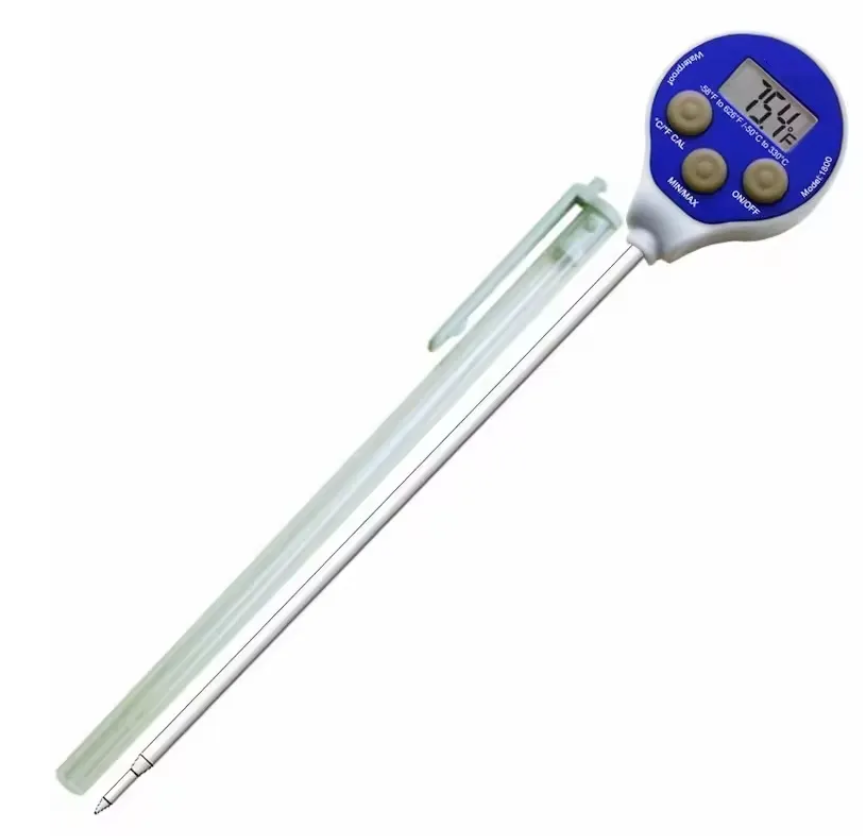
Lonnmeter LDT-1800 Candy Thermometer
The Stages of Candy Making
Candy making requires a fine balance between proper timing and heat control. With a candy thermometer, you can be sure that your sugar syrup reaches the exact point needed to produce delicious candy.
Each stage of the candy-making process is associated with a specific consistency, ranging from soft and chewy to hard and brittle. By mastering these individual stages, you will be able to make several different types of treats such as fudge, caramels, and toffees.
What follows here is a detailed analysis of the candy cooking temperature chart:
- Thread Stage: 230–234°F (110–112°C): This is the phase in which the sugar in water drops part ways, and each strand hangs on its own in the cold water.
- Soft Ball Stage: 234–240°F (112–116°C): Cooling causes the sugar syrup to become soft, pliable balls.
- Firm Ball Stage: 244–248°F (118–120°C): When pressed, the syrup forms flat balls.
- Hard Ball Stage: 250–266°F (121–130°C): The syrup forms hard, solid balls.
- Soft Crack Stage: 270–290°F (132–143°C): When it cools, the syrup separates into thin threads and snaps.
- Hard Crack Stage: 300–310°F (149–154°C): This method produces hard, candy-like chunks.
- Caramel Stage: 320–350°F (160–177°C): The sugar turns brown and dark amber, and the taste becomes richer.
Tips for Successful Candy Making
- Alway be sure to use a candy temperature chart.
- Pay attention to the texture of the sugar syrup as the temperature increases; it can help you determine the current candy-making stage.
- In the same way, color changes (such as brown and dark amber) can help determine different stages of the candy making process.
- Ensure that the thermometer is correctly reading before heating the pot.
- Take your time. When sugar and water are heated very fast, they don’t form individual threads. Correctly heated sugar syrup is the best base for making candy.