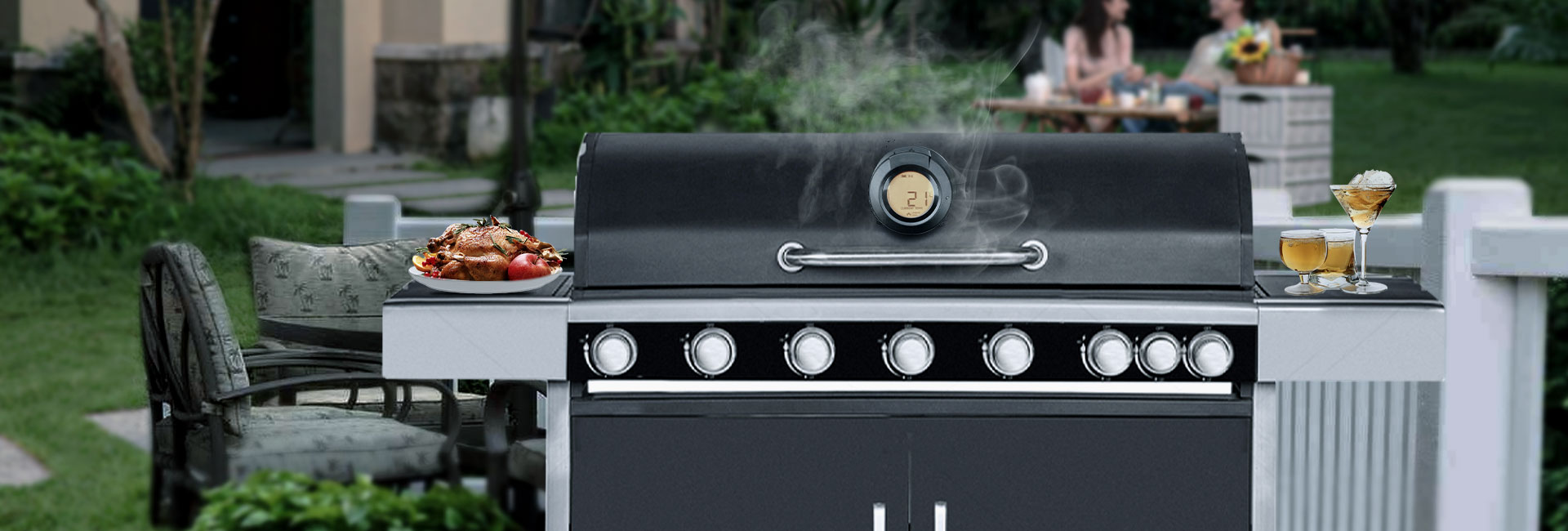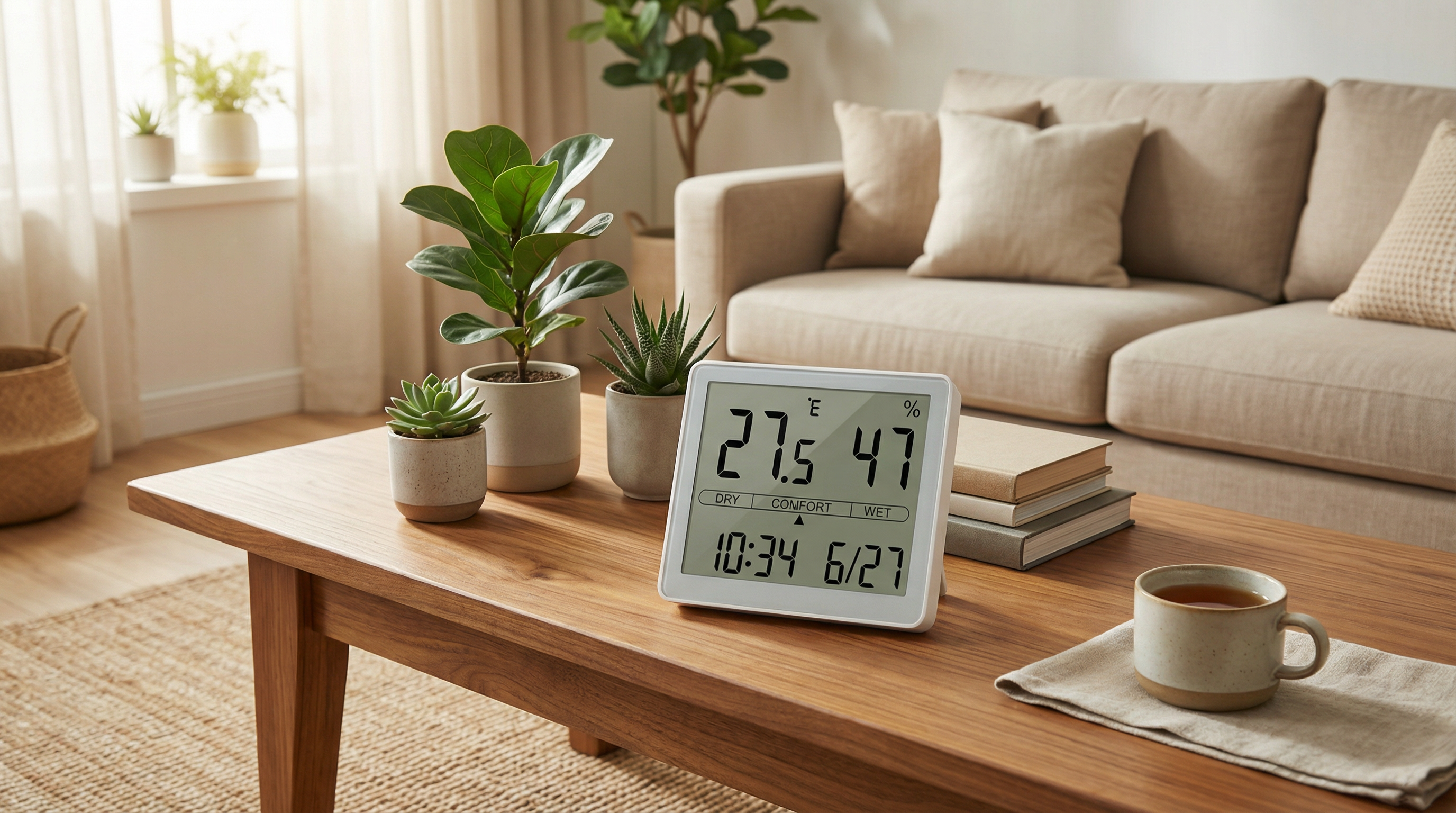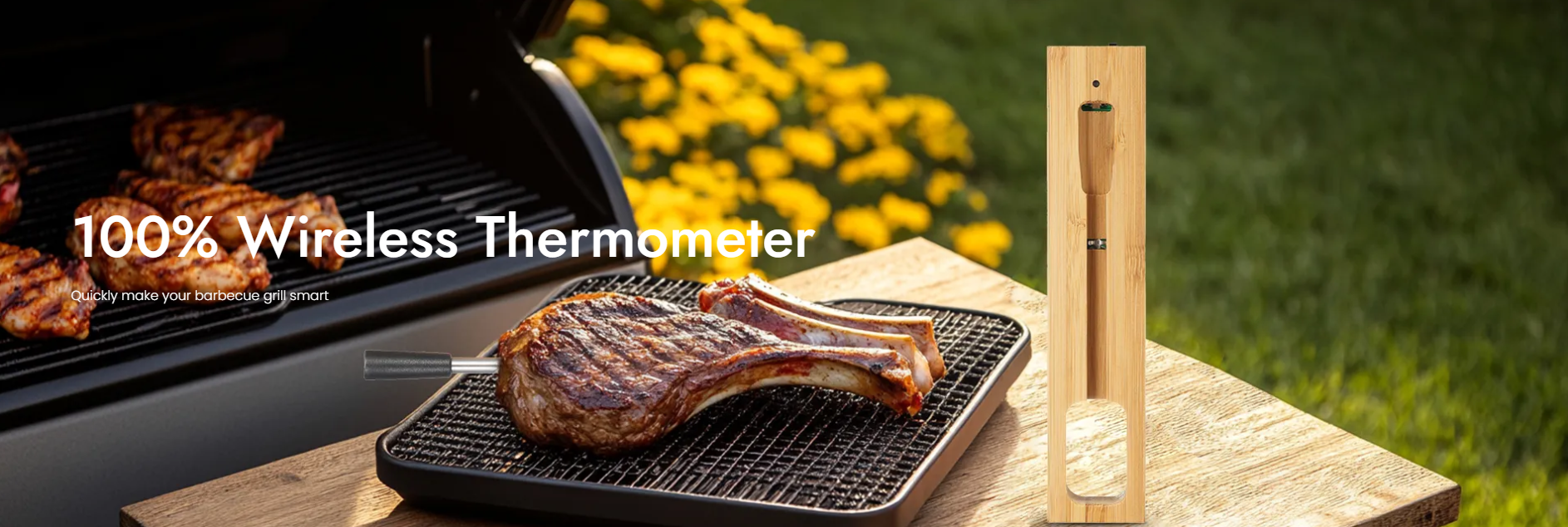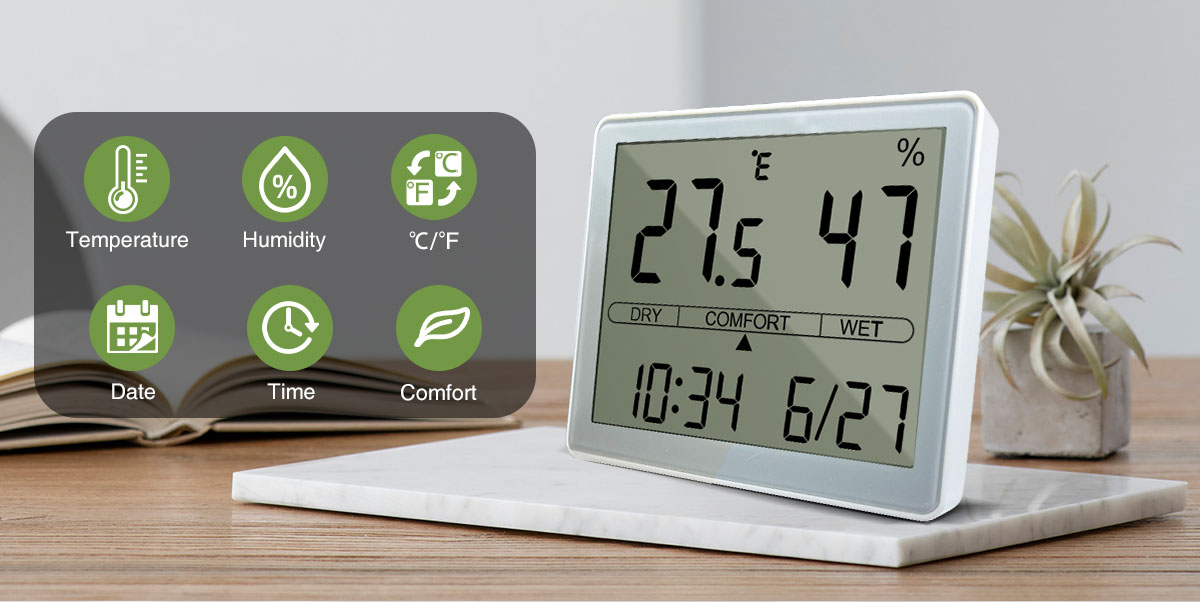
Choosing the right indoor and outdoor thermometer can make a significant difference in monitoring your home’s comfort, protecting plants, or planning outdoor activities. With countless options available—from basic analog models to smart Wi-Fi-enabled devices—knowing what to look for ensures you get accurate, reliable readings without overspending. In this guide, we’ll walk you through the key factors to consider, types of thermometers, and top recommendations to help you make an informed decision.
Why You Need Both Indoor and Outdoor Thermometers
Indoor thermometers help maintain ideal room temperatures (typically 68–72°F for comfort), track humidity to prevent mold, and ensure energy-efficient HVAC use. Outdoor thermometers are essential for gardeners monitoring frost risks, parents checking playtime safety, or anyone planning barbecues and hikes. A dual indoor-outdoor model combines both functions, often with wireless sensors for convenience.
1. Start with the Environment—Not the Features
Indoor and outdoor thermometers live in completely different worlds.
- Indoor: Humidity swings, drafts from HVAC, and curious toddlers are the enemies. Look for a unit with a sealed display and a stable base or wall-mount. If you’re checking a nursery or greenhouse, prioritize 0.1 °F resolution so small changes don’t go unnoticed.
- Outdoor: Sun, rain, snow, and UV radiation will destroy a cheap sensor in one season. Insist on IP65 or better water resistance, a metal or UV-stabilized ABS housing, and a probe cable rated for -40 °F to 140 °F. Wireless models need at least 150 ft of clear-line range—trees and stucco walls eat signal for breakfast.
Real-world test: I once returned 2,000 units because the manufacturer claimed “all-weather” but used a paper-thin gasket. Lesson—always check the spec sheet, not the marketing bullet.
2. Accuracy and Calibration Matter More Than Bells and Whistles
A thermometer that reads 68 °F when it’s actually 70 °F is worse than no thermometer at all. Here’s what separates the pros:
| Feature | Budget (<$15) | Mid-Range ($15–$40) | Premium (>$40) |
|---|---|---|---|
| Accuracy | ±2 °F | ±1 °F | ±0.5 °F or better |
| Calibration | Factory only | User-adjustable offset | NIST-traceable certificate |
| Sensor type | Basic thermistor | Dual (indoor + wired probe) | Swiss Sensirion or similar |
If you’re in a humid climate, pick a combo thermo-hygrometer; relative humidity errors compound temperature drift. Our best-seller—a wired probe model—lets you bury the sensor in soil or float it in a koi pond while the display stays dry on the porch.
3. Power and Placement Practicalities
- Battery life: Indoor units on AA batteries should last 12–18 months. Outdoor wireless transmitters chew through CR2032 coins in 6–9 months unless they have solar assist.
- Mounting: Velcro pads fail in heat; demand screw slots or magnetic backs. For outdoor probes, include a 10-ft shielded cable—short cords force awkward placement.
- Visibility: Backlit LCD for night checks, large digits (at least 1 inch) for aging eyes. Avoid glossy screens that wash out in sunlight.
4. Smart vs. Simple—Choose Your Level of Involvement
| Type | Pros | Cons | Best For |
|---|---|---|---|
| Analog (alcohol or bimetallic) | Zero batteries, vintage look | Slow response, parallax error | Decorative porches |
| Digital standalone | Instant read, min/max memory | Manual data logging | Greenhouses, wine cellars |
| Wi-Fi / App-enabled | Remote alerts, graphs | Privacy concerns, firmware updates | Tech-savvy parents, vacation homes |
I stock all three because one size never fits all. A rancher in Montana wants a $29 wired probe that survives −30 °F; a Manhattan mom wants push notifications if the nursery hits 78 °F.
5. Red Flags—What Sends Units Straight to the Returns Pile
- Plastic lenses that yellow in one summer
- Hygrometers that drift >5 % RH after three months
- Wireless range claims tested in an open field, not your brick house
- No replacement probe policy (cables get chewed by squirrels)
6. Our Proven Indoor/Outdoor Lineup (and Why Customers Reorder)
After testing 40+ SKUs last year, these three consistently earn 4.8+ stars:
- Classic Dual-Zone Wired – 16 ft stainless-shielded cable, ±0.9 °F accuracy, glow-in-dark display. Perfect for monitoring fridge + freezer from one base.
- Solar-Powered Wireless Stake – 330 ft range, stores 30 days of data, survives Arizona summers. Gardeners buy two—one for compost, one for soil.
- Compact Nursery Clip – Soft blue backlight, silent mode, 0.1 °F resolution. Pediatric nurses snag these in bulk.
Final Checklist Before You Click “Add to Cart”
□ Will it survive your worst weather?
□ Can you recalibrate it yourself?
□ Is the display readable from six feet away?
□ Does the brand answer emails within 24 hours? (We do.)
Temperature affects comfort, health, and even your electric bill. Spend ten extra dollars upfront and avoid the headache of a $20 paperweight six months later.
Ready to measure with confidence? Browse our vetted collection—every model has been drop-tested, freeze-tested, and toddler-tested in our warehouse. If it doesn’t meet the standards I’d put in my own home, it doesn’t ship.